



Endothelin Receptor
Endothelin receptors are G protein-coupled receptors (GPCRs) of the β-group of rhodopsin receptors that bind to endothelin ligands, which are 21 amino acid long peptides derived from longer prepro-endothelin precursors. There are at least four types known, ETA, ETB (ETB1, ETB2) and ETC. The ETA receptor is characterized by having high affinity and selectivity for ET-1 and ET-2 compared to ET-3, whereas the ETB receptor has equivalent high affinity for all three endothelin isopeptides.
Endothelins are synthesized in several tissues, including the vascular endothelium (ET-1 exclusively) and smooth muscle cells. Released endothelin binds to the endothelin receptors ETA and ETB, the ETA receptors on vascular smooth muscle cells mediating vasoconstriction, and the ETB receptors on the endothelium linked to nitric oxide (NO) and prostacyclin release.
Endothelin Receptor Isoform Specific Products
All Product Categories
-
Endothelin Receptor Inhibitors
(18)
View all products
-
Endothelin Receptor Agonists
(14)
View all products
-
Endothelin Receptor Antagonists
(94)
View all products
-
Endothelin Receptor Activators
(2)
View all products
-
Endothelin Receptor Modulator
(1)
View all products
-
Endothelin Receptor Control
(1)
View all products
-
Endothelin Receptor Ligands
(3)
View all products
-
Endothelin Receptor Proteins
(7)
View all products
-
Endothelin Receptor Type A (EDNRA) Proteins
(3)
View all products
-
Endothelin R Type B (EDNRB) Proteins
(4)
View all products
-
Endothelin Receptor Related Products (152)
Related Products (152)

-
Recombinant Proteins (7)
-
Antibodies (1)
-
Endothelin Receptor Isoform Comparison
-
Sarafotoxin S6a
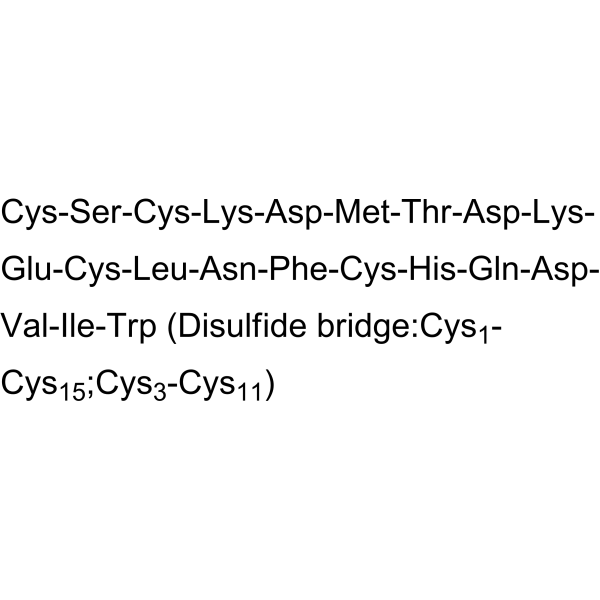 0 ImagesSarafotoxin S6a, a sarafotoxin analogue, is a endothelin receptor agonist and has an ETA/ETB selectivity profile similar to that of Endothelin-3 (HY-P0204). Sarafotoxin S6a elicits the pig coronary artery with an EC50 value of 7.5 nM.
-
BMS 182874
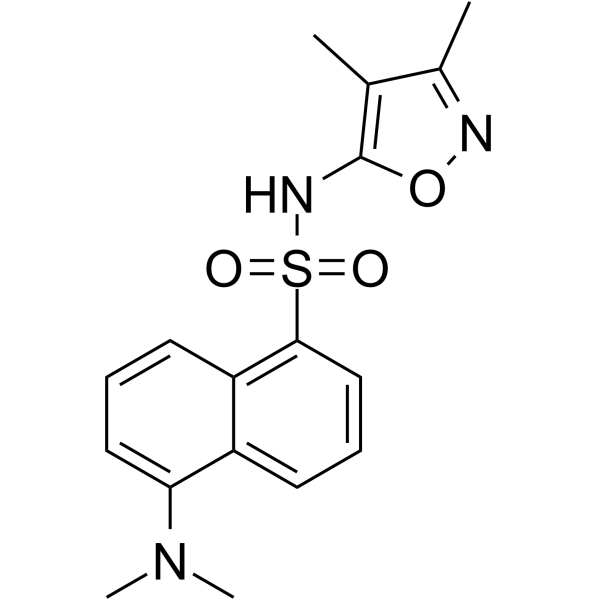 0 ImagesBMS 182874 is an orallyactive, highly selective endothelin receptor (ETA receptor) antagonist, with IC50 value of 0.150 μM, Ki of 0.055 μM. BMS 182874 reduces the arterial pressure of Deoxycorticosterone acetate (HY-B1472) induced hypertension model in rats, and can be used for cardiovascular disease research.
-
Kendomycin
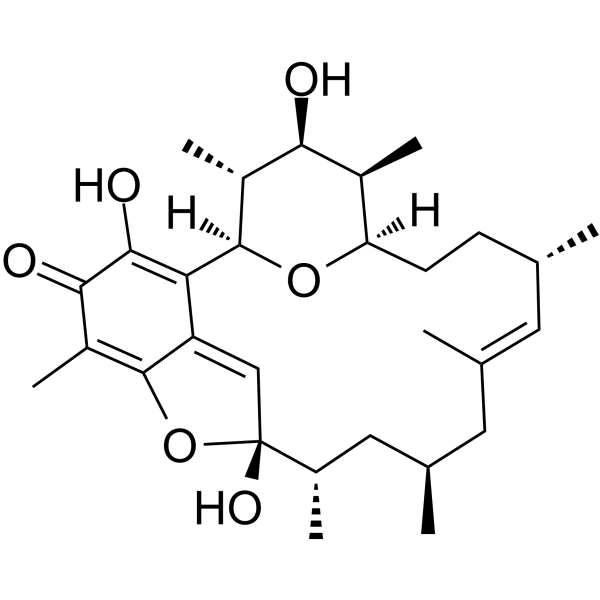 0 ImagesCat. No.: HY-121300CAS No.: 183202-73-5Synonyms: (-)-TAN2162Kendomycin ((−)-TAN 2162) is a polyketide antibiotic with remarkable antibacterial and cancer cells cytotoxic activities. Kendomycin tends to be bacteriostatic rather than bactericidal and inhibits the growth of the methicillin-resistant Staphylococcus aureus (MRSA) strain COL at a low concentration (MIC of 5 μg/mL). Kendomycin is a potent antagonist of the endothelin receptor and a calcitonin receptor agonist which plays its role as an anti-osteoporotic agent.
-
Ro 46-8443
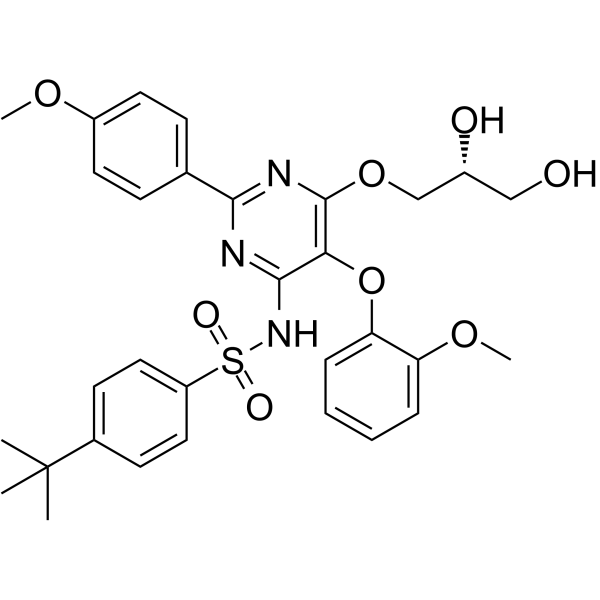 0 ImagesRo 46-8443 is the first non-peptide endothelin ETB receptor selective antagonist. Ro 46-8443 displays an at least 100-fold selectivity for ETB (IC50: 34-69 nM) over ETA receptors (IC50: 6800 nM).
-
Sarafotoxin S6c
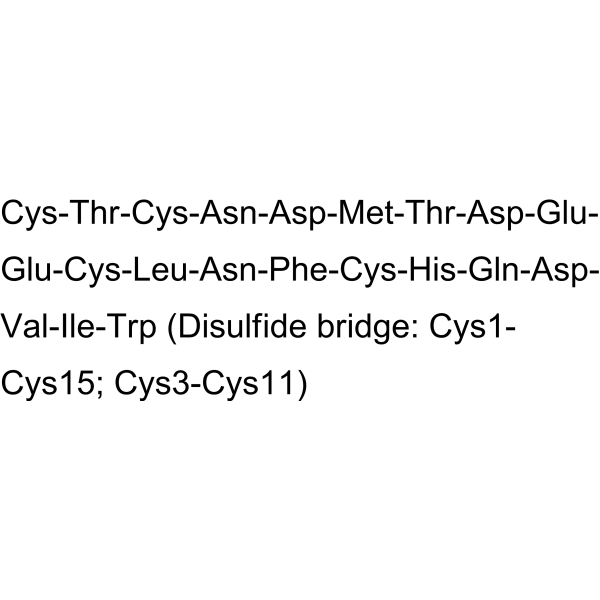 0 ImagesSynonyms: SRTX-cSarafotoxin S6c (SRTX-c) is a potent endothelin-B receptor agonist. Sarafotoxin S6c can cause vasoconstriction in both endothelium-intact and endothelium-denuded vessels.
-
2-(Methylamino)ethanol
 0 Images2-(Methylamino) ethanol (N-Methylethanolamine) is an orally active Phospholipase D inhibitor and analog of Ethanolamine (HY-Y0524). 2-(Methylamino) ethanol reduces the mRNA levels of ACE, ppET-1 and ECE-1, and inhibits MMP-2 activity. 2-(Methylamino) ethanol inhibits Collagen synthesis. 2-(Methylamino) ethanol attenuates ventricular hypertrophy, prevents increased myocardial stiffness and hemodynamic deterioration. 2-(Methylamino) ethanol can capture industrial acid gases and react with carbon dioxide to form carbamates and bicarbonates. 2-(Methylamino) ethanol can be used in studies related to hypertensive heart failure (diastolic heart failure).
-
Macitentan n-butyl analogue
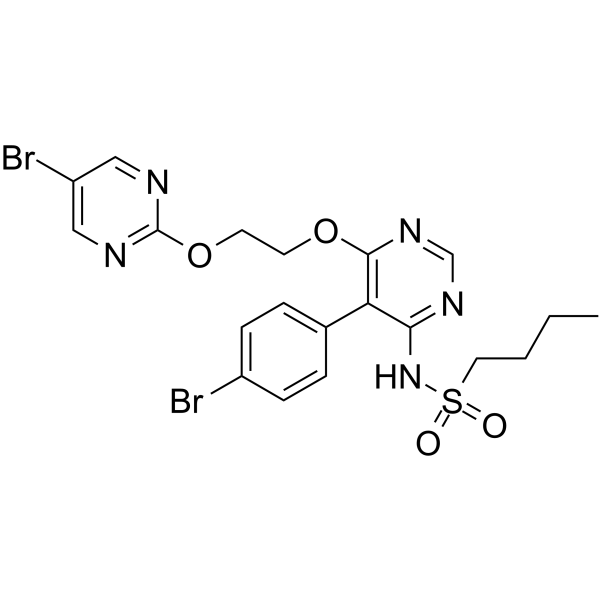 0 ImagesMacitentan n-butyl analogue is a n-butyl analogue of Macitentan. Macitentan is an orally active, non-peptide dual endothelin ETA and ETB receptor antagonist for the potential treatment of idiopathic pulmonary fibrosis (IPF) and pulmonary arterial hypertension (PAH).
-
H-Trp-Phe-OH
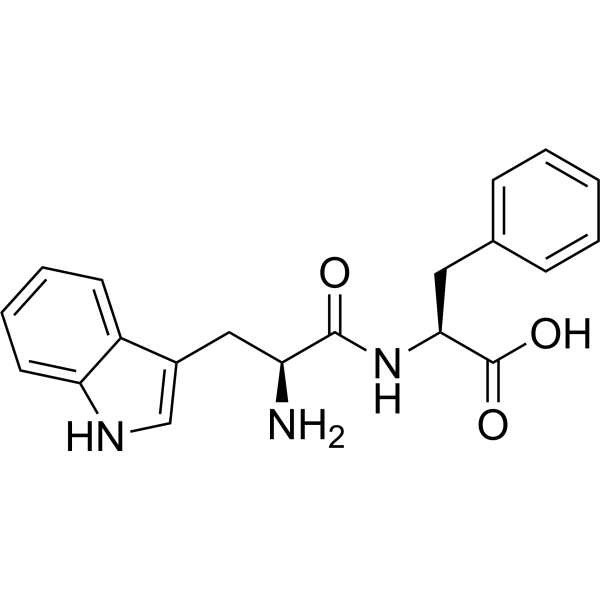 0 ImagesH-Trp-Phe-OH (Trp-Phe) is an ACE inhibitor and endothelial function regulator, with an ACE IC50 of 0.318 mg/mL. H-Trp-Phe-OH increases nitric oxide concentration, reduces endothelin-1 (ET-1) levels, and reverses norepinephrine-mediated endothelial cell dysfunction. H-Trp-Phe-OH exhibits antihypertensive activity. H-Trp-Phe-OH can be used in studies related to hypertension and atherosclerosis.
-
Avosentan
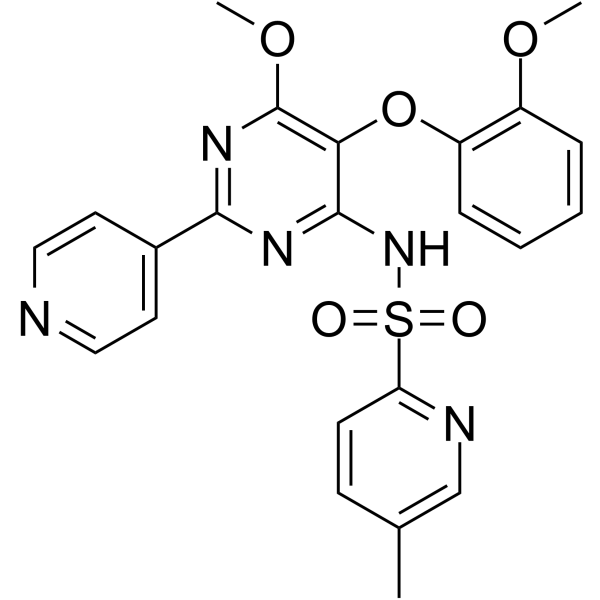 0 ImagesSynonyms: Ro 67-0565; SPP-301Avosentan (Ro 67-0565; SPP-301) is an orally active endothelin (ETA) receptor antagonist. Avosentan can block the ETA receptor, thereby reducing vascular contraction and exerting a renal protective effect. Avosentan inhibits vascular contraction caused by ET-1 and alleviates the reduction in retinal and optic nerve head blood flow induced by it, lowering intraocular pressure in the glaucoma monkey model. Avosentan non-specifically blocks ETB receptors at high doses, inhibiting ETB-mediated diuresis and natriuresis, and may cause fluid retention. Avosentan can be used to reduce proteinuria with diabetic nephropathy, but induces significant fluid overload and congestive heart failure.
-
BQ-3020 ammonium
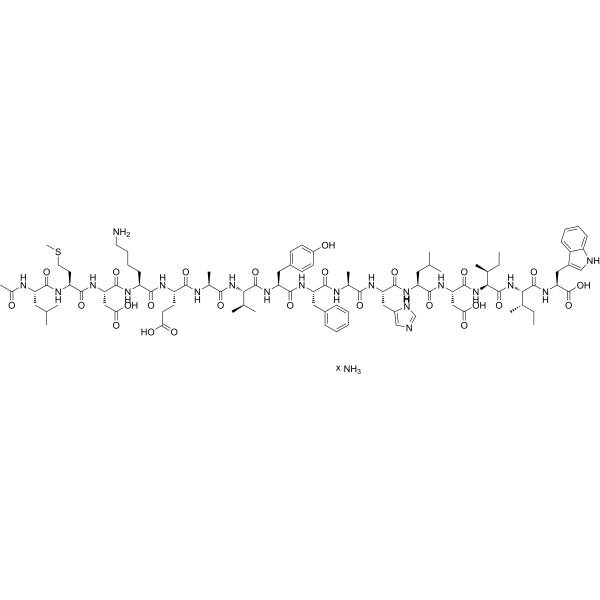 0 ImagesCat. No.: HY-P1016BPurity: 98.96%BQ-3020 ammonium is a selective endothelin receptor (ETB receptor) agonist. BQ-3020 ammonium inhibits [125I] ET-1 binding to ETB receptors, with an IC50 value of 0.2 nM. BQ-3020 ammonium elicits vasoconstriction in the rabbit pulmonary artery. BQ-3020 ammonium makes relaxation of the pig urinary bladder neck and can be used for cardiovascular disease research. .
-
Nebentan
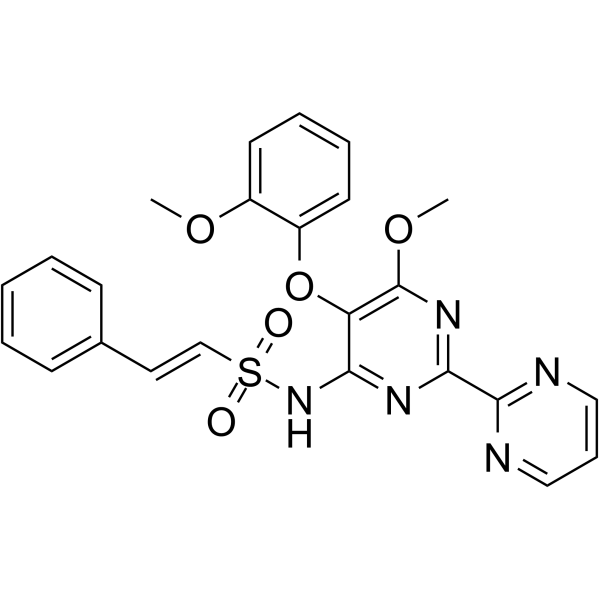 0 ImagesCat. No.: HY-106994CAS No.: 403604-85-3Synonyms: YM598 free baseNebentan (YM598 free base) is a potent, selective and orally active non-peptide endothelin ETA receptor antagonist through the modification of Bosentan (HY-A0013). Nebentan inhibits [125I] endothelin-1 binding to cloned human endothelin ETA and ETB receptor, with Ki of 0.697 nM and 569 nM, respectively. YM598 can ameliorate the progression of cor pulmonale and myocardial infarction in vivo.
-
Enrasentan
 0 ImagesSynonyms: SB 217242Enrasentan (SB 217242) is an endothelin (ET) receptor antagonist. Enrasentan has antihypertensive effects.
-
Endothelin-2 (49-69), human
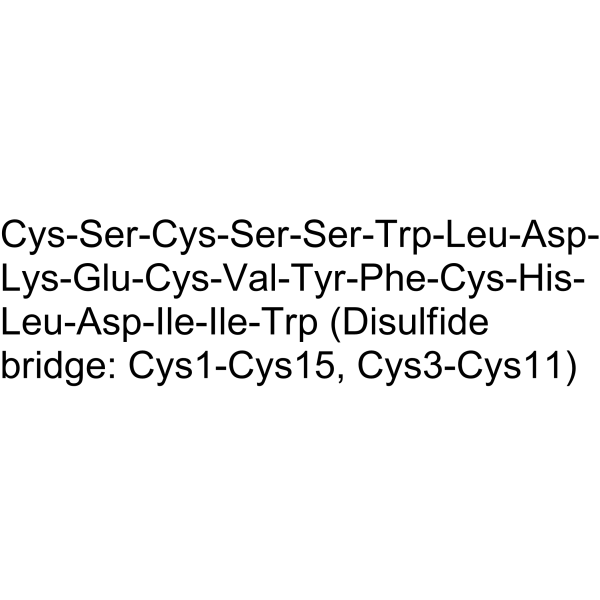 0 ImagesSynonyms: Endothelin-2 (human, canine); Human endothelin-2Endothelin-2 (49-69), human (Endothelin-2 (human, canine)) is a 21-amino acid vasoactive peptide that binds to G-protein-linked transmembrane receptors, ET-RA and ET-RB.
-
Carperitide
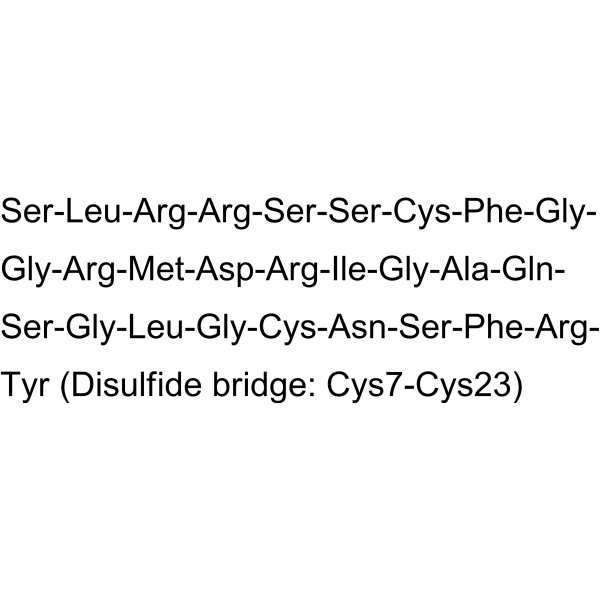 0 ImagesCat. No.: HY-P1235CAS No.: 89213-87-6Synonyms: Atrial Natriuretic Peptide (ANP) (1-28), human, porcineCarperitide (Atrial Natriuretic Peptide (ANP) (1-28), human, porcine) is a 28-amino acid hormone, that is normally produced and secreted by the human heart in response to cardiac injury and mechanical stretch. Carperitide (Atrial Natriuretic Peptide (ANP) (1-28), human, porcine) inhibits endothelin-1 secretion in a dose-dependent way.
-
Nebentan potassium
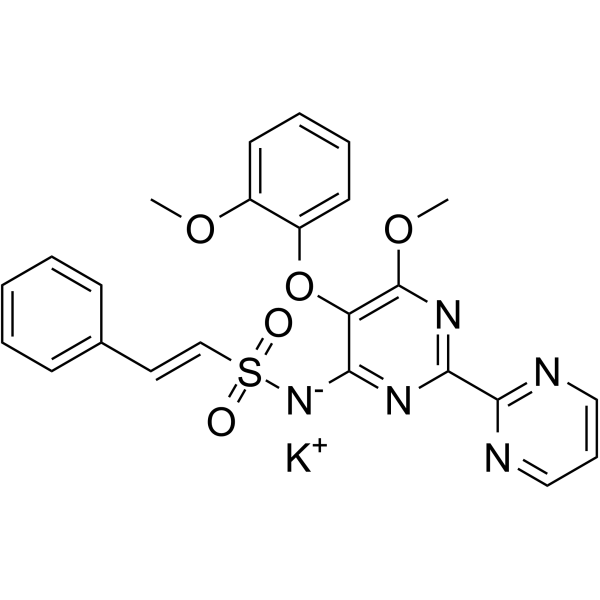 0 ImagesSynonyms: YM598Nebentan potassium (YM598) is a potent, selective and orally active non-peptide endothelin ETA receptor antagonist through the modification of Bosentan (HY-A0013). Nebentan potassium inhibits [125I] endothelin-1 binding to cloned human endothelin ETA and ETB receptor, with Ki of 0.697 nM and 569 nM, respectively. YM598 can ameliorate the progression of cor pulmonale and myocardial infarction in vivo.
-
J-104132
 0 ImagesCat. No.: HY-10383CAS No.: 198279-45-7J-104132 (L-753037) is a potent, orally active, selective and competitive ETA/ETB receptor antagonist with Ki of 0.034 nM for ETA and 0.104 nM for ETB receptors. J-104132 inhibits Endothelin-1 (ET-1) (HY-P71446)-induced signaling and vascular contractions in vitro. J-104132 alleviates hypertension, vascular remodeling, and diabetic endothelial dysfunction in vivo by dual ETA/ETB blockade. J-104132 can be used for research on diabetic vascular complications[1][3].
-
TAK 044
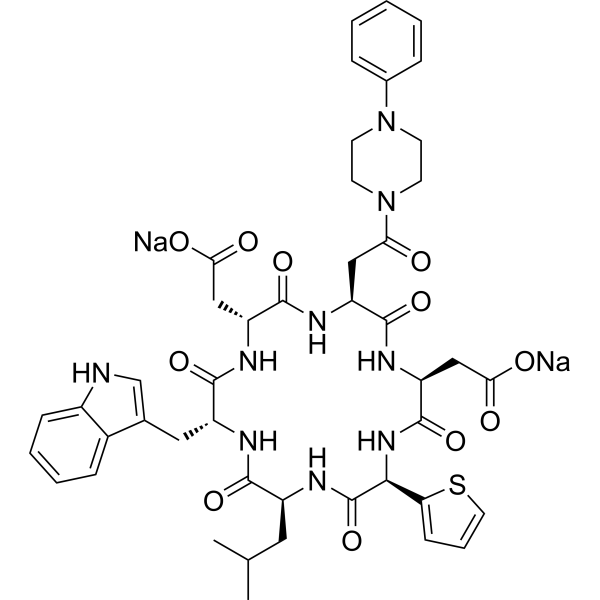 0 ImagesCat. No.: HY-105168CAS No.: 157380-72-8TAK 044 is an antagonist of Endothelin Receptor. TAK 044 strongly inhibits ET-induced deterioration in various animal models. TAK 044 can be used in study ET-related diseases such as acute myocardial infarction,acute renal failure, acute hepatic malfunction, and subarachnoid hemorrhage.
-
SM19712
 0 ImagesSM19712 is an orally active, selective endothelin converting enzyme (ECE) inhibitor. SM19712 inhibits conversion of big ET-1 to ET-1. SM19712 attenuates colonic angiogenesis, tissue injury, inflammation, without altering colon shortening or myeloperoxidase levels in mice. SM19712 can be used for the research of inflammatory bowel disease (colitis), ischemic acute renal failure, acute myocardial infarction, and myocardial ischemia/reperfusion injury.
-
[Ala1,3,11,15]-Endothelin (53-63) TFA
![[Ala1,3,11,15]-Endothelin (53-63) TFA](https://file.medchemexpress.com/product_pic/hy-p1019a.gif "Click to View [Ala1,3,11,15]-Endothelin (53-63) TFA Product Detail") 0 ImagesCat. No.: HY-P1019APurity: 98.18%[Ala1,3,11,15]-Endothelin (53-63) (TFA) is an ETB agonist. [Ala1,3,11,15]-Endothelin (53-63) (TFA) has selectivity for ETB with IC50 values range from 0.33 nM to 0.61 nM. [Ala1,3,11,15]-Endothelin (53-63) (TFA) can be used for the research of vasoconstriction.
0 ImagesCat. No.: HY-P1019APurity: 98.18%[Ala1,3,11,15]-Endothelin (53-63) (TFA) is an ETB agonist. [Ala1,3,11,15]-Endothelin (53-63) (TFA) has selectivity for ETB with IC50 values range from 0.33 nM to 0.61 nM. [Ala1,3,11,15]-Endothelin (53-63) (TFA) can be used for the research of vasoconstriction.
-
Ro 46-2005
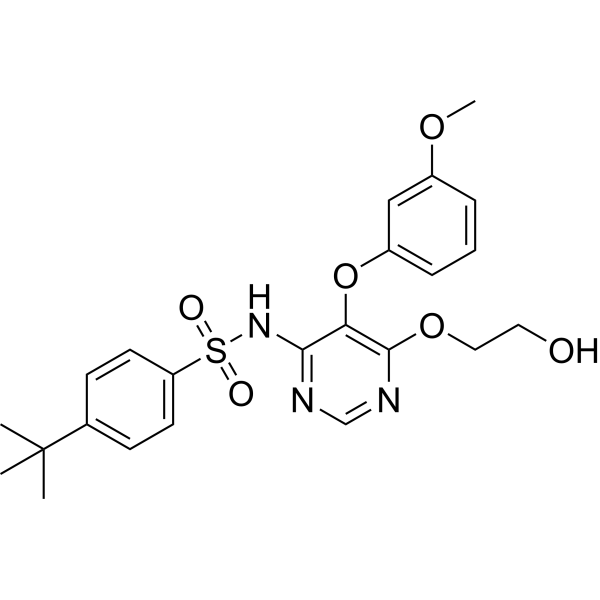 0 ImagesRo 46-2005 is a novel synthetic non-peptide endothelin receptor antagonist, inhibits the specific binding of 125I-ET-1 to human vascular smooth muscle cells (ETA receptor) with IC50 of 220 nM.




